Jun, 23, 2026
Car spaces in units regulations
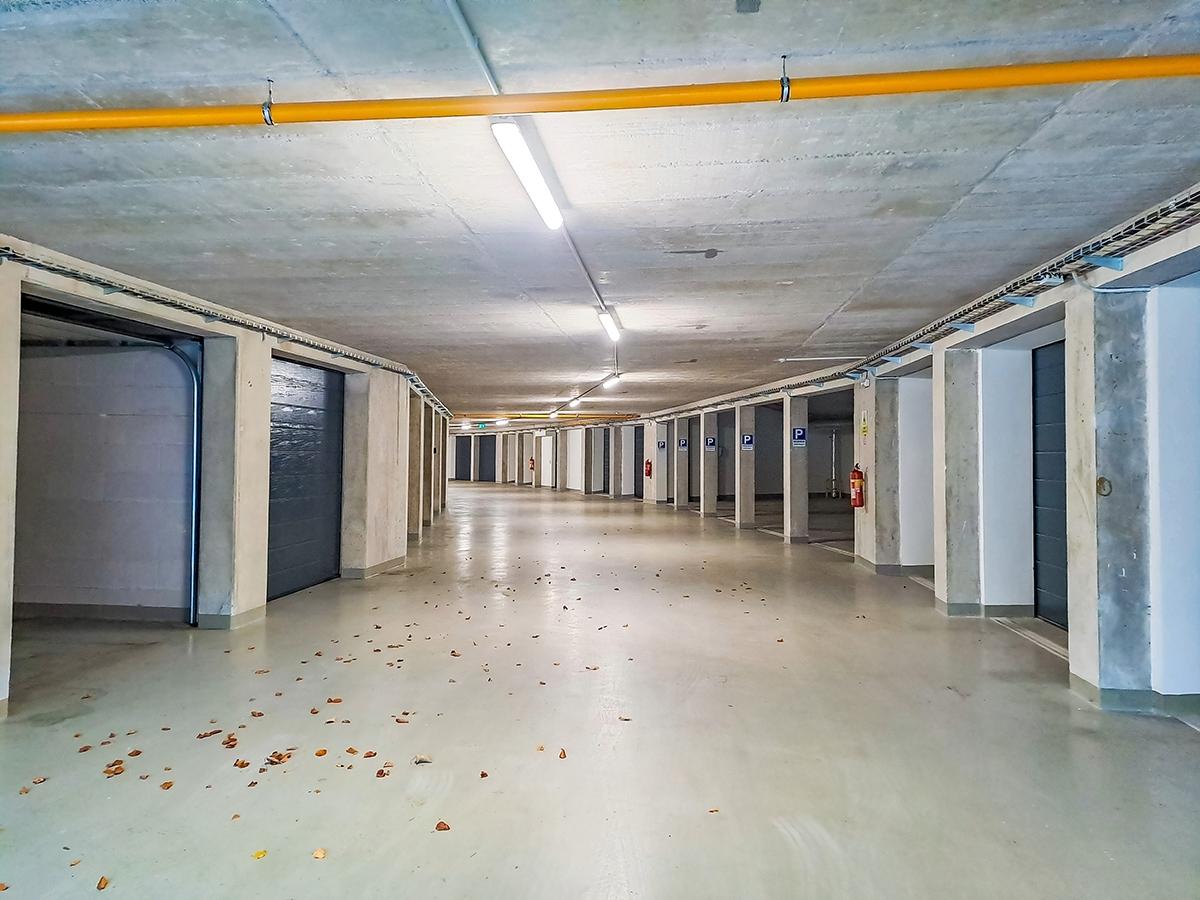
In Queensland, garage storage laws for units are governed by the scheme's registered by-laws, the Body Corporate and Community Management Act 1997 (BCCM), and local council fire safety rules.
Garages are legally designed primarily for vehicle parking and "utility" storage, and generally cannot be used as habitable living spaces. There are many commonsense body corporate laws with pros and cons.
Key Regulations & Restrictions
Vehicle Access: Stored items must not prevent your car from fitting completely inside the garage boundaries. Items cannot protrude into common property or shared driveways.
Safety and Flammables: Storing hazardous materials (e.g., petrol canisters, gas bottles, excess paints, chemicals) is heavily restricted or outright banned due to Workplace Health and Safety (WHS) and fire regulations.
Structural Additions: You usually cannot build walls, cabinets, or permanent structures without written Body Corporate Committee approval.
Nuisance and Appearance: Items must not create a nuisance (e.g., bad odours) or be easily visible from the outside if they detract from the building's aesthetic.
Insurance: Strata insurance rarely covers personal belongings left in garages. You should check with your contents insurer to see if garage items are covered.
Common Misconceptions
"Car park only" rules: Some body corporate by-laws strictly stipulate that designated car spaces are for parking vehicles only. In this case, even placing a storage box might breach the by-laws.
Over-bonnet boxes: For open car parks or garages, some buildings allow the installation of "over-bonnet" storage lockers, provided they meet specific fire, size, and body corporate requirements. Before purchasing or placing storage units in your garage, always obtain a copy of your complex's registered by-laws. If you need more clarity, you can check your scheme's official records or contact your Body Corporate Manager.
More on Insurance Restricions
Body corporate master building insurance policies in Queensland feature strict exclusions and restrictions regarding what can be stored on-site.
While the master policy covers the building structure, specific clauses penalize actions that increase the property's overall risk profile.
1. The "Increase in Risk" and "Invalidation" Clauses
Virtually all commercial strata policies contain a standard clause stating that coverage can be voided or claims denied if an occupier introduces a hazard that significantly increases the building's risk of fire or damage. Storing unapproved commercial, industrial, or highly flammable items breaches this clause, potentially leaving the entire body corporate uninsured during an incident.
2. Specific Material Restrictions
- Dangerous Goods & Flammables: You cannot store bulk quantities of dangerous goods—such as petrol jerry cans, large LPG cylinders, heavy solvents, or industrial paints. Under Queensland's Work Health and Safety Act, even residential bodies corporate face strict legal thresholds on hazardous chemicals.
- Commercial Stock: Storing inventory for a retail or commercial business in a residential unit garage is heavily restricted. Master building policies are rated for domestic risks; holding bulk commercial stock alters the building's risk tier and can invalidate the policy.
- Lithium-Ion Batteries (Commercial Scale): While storing a personal e-bike or e-scooter is generally fine, storing or charging a commercial fleet of lithium-ion batteries (e.g., for a delivery or charging side-business) faces heavy scrutiny and restrictions from insurers due to the severe fire risk.
3. Obstruction of Fire Protection Systems
In small blocks with underground or shared garage spaces, insurance requires the building to stay compliant with Australian Fire Safety Standards. Storing items that block fire hydrants, hose reels, or fire doors—or packing storage cages so high that they obstruct ceiling fire sprinklers—directly breaches insurance compliance rules.
4. Personal Contents Exclusion
It is a common misconception that the body corporate policy protects your stored items. Master strata insurance never covers personal belongings kept in your unit or garage. If a shared pipe bursts and ruins your stored items, the building policy covers the pipe repair, but your personal items are only protected if you have your own contents insurance.
SEARCH ARTICLES
Recent Posts
- Mar, 16, 2026
The Definition of a Villa today
- Jul, 22, 2025
Who is responsible for that water leak?
- May, 6, 2025
Diversity on Boards
- Apr, 11, 2025
When does asbestos become dangerous in your home?
- Jan, 23, 2025
How Design Aesthetics Shape Perceived Value
- Dec, 10, 2024
Impact of Inflation on First-Time Buyers
- Nov, 4, 2024
How to understand and check your credit score
- Sep, 19, 2024
Buying off the plan? Beware of sunset clauses
- Jul, 5, 2024
Essential Workers Explained
- Jun, 13, 2024
Ozone Generators to remove Mould
- Feb, 19, 2024
Massive tax handouts for property investors
- Feb, 16, 2024
Body Corporate sinking fund - QLD
- Feb, 2, 2024
Scaffolding Safety
- Sep, 20, 2023
Learning to Negotiate
- Jul, 11, 2023
Pension Age Rises to 67
- May, 18, 2023
Becoming A Registered Builder In Australia
- Apr, 17, 2023
Forced Sales - Queensland - 75% Rule
- Dec, 6, 2022
Petty Landlords & Negative Gearing
- Sep, 19, 2022
The benefits of shade sails for your home
- Jul, 27, 2022
Termite Swarmers Season
- Jun, 22, 2022
Fear of missing out driving inflation
- Apr, 28, 2022
Australia's Rental Crisis
- Mar, 7, 2022
Should you buy a home with Termite damage?
- Mar, 3, 2022
Tactics to reduce body corporate disputes
- Jan, 25, 2022
Globalisation - The Hedgehog & The Fox
- Nov, 2, 2021
Revealed: Top 10 areas to avoid buying
- Oct, 28, 2021
Is that house protected against termites?
- Sep, 15, 2021
Tree Changers & Sea Changers
- Aug, 12, 2021
COVID 19 and Body Corporate Responsibilities
- Jul, 29, 2021
Tenants beware of rental rewards schemes
- Jun, 25, 2021
Sunshine Coast versus Gold Coast
- Jun, 23, 2021
Your superannuation and your home
- Jun, 11, 2021
How many properties sit empty?
- May, 10, 2021
What Returns could I make from Property Investment
- May, 4, 2021
Real Estate Agents and Property Managers
- Apr, 20, 2021
Why You Need A Termite Inspection
- Mar, 19, 2021
SEO for Real Estate websites
- Mar, 18, 2021
Three Reasons Why Your Home Needs Data Cabling
- Mar, 16, 2021
Smoke Alarms: What you need To know in QLD
- Dec, 10, 2020
Pre-purchase Electrical Inspection
- Dec, 4, 2020
Why should I drink Adelaide Hills Wines?
- Aug, 26, 2020
Amalgamation of Strata-titled Lots for Development
- Jul, 28, 2020
Adelaide Hills a unique region
- Apr, 28, 2020
Ozone Generator in Your Home
- Apr, 21, 2020
Air conditioning cleaning
- Apr, 14, 2020
Housing Affordability in Australia
- Apr, 6, 2020
Security Systems
- Mar, 31, 2020
Termites and protecting the home
- Feb, 27, 2020
Printing for the Real Estate Industry
- Nov, 12, 2019
Beware of Property Investment Spruikers
- Oct, 31, 2019
Prices for Home Alarm Monitoring
- Oct, 9, 2019
House and Land packages best investment
- Oct, 1, 2019
The 'Scourge' of Underquoting
- Oct, 16, 2017
Professional Pest Control
- Sep, 29, 2017
Built in Wardrobes
- Jul, 9, 2015
Pool Inspections Queensland
- Jun, 25, 2015
Negotiating your purchase with the Inspection
- May, 12, 2015
DIY Move or hire a removalist company?
- Nov, 19, 2014
Why are housing prices rising faster than wages?
- Jan, 17, 2014
The Friendliest Real Estate Agents
- Jul, 23, 2013
A thorough Building and Pest Inspection
- Sep, 28, 2012
How to Compare Home Loans
- Jan, 25, 2012
Southport Real Estate

When you need help in understanding how real estate is managed in Australia - this is the site for you. Independent information on Australian Real Estate.
Looking for your first home? Looking at Gold Coast Real Estate or beyond?
Recent posts